
Human Resources Management
One of the most important resources in the corporates is the human capital so one of top reasons for organization success is managing the human resources in good way to achieve the organization goals.
- the basics of human resources management.
- The recruitment and selection process.
- How to manage employee performance?
- How to develop your employees?
- How to conduct a gamification experience for your employees?
- How to design a learning materials.

Course 1
In this course you'll learn:
- What is the organizational development concept?
- RACI Matrix
- The organizational change
- How to manage the organizational change?
-What are the compensation and benefits basics?
- What are the employee's rights?
- What is the social insurance basics?
- The recruitment process in the corporates.
- The interview form the recruiter point of view.
-
Intro
1 minute 35 seconds -
HR Process
4 minutes 17 seconds -
Organization Development Concept
7 minutes 32 seconds -
RACI Matrix
4 minutes 39 seconds -
Organization Structure Change
6 minutes 47 seconds -
Managing Organizational Change
9 minutes 4 seconds -
Lewin & Kotter's Model
5 minutes 14 seconds -
Compensation & Benefits Basics
6 minutes 49 seconds -
Recruitment Process
5 minutes 40 seconds -
In A Recruiter Shoes
7 minutes 20 seconds -
Employee Rights
9 minutes 6 seconds -
Social Insurance
9 minutes 50 seconds

Course 2
In this course, you'll learn:
- The Recruitment and Selection Phases
- Complexities of Recruitment and Employer Branding
- What is Recruitment Source?
- How to Build an Effective Interview?
- What to Avoid, Orientation and Job Offer?
-
Intro
1 minute 16 seconds -
Recruitment and Selection
3 minutes 30 seconds -
Complexities of Rec. and Emp. Branding
7 minutes 57 seconds -
Recruitment Source
13 minutes 10 seconds -
Building Effective Interview - Part 1
13 minutes 53 seconds -
Building Effective Interview - Part 2
13 minutes 37 seconds -
What to Avoid, Orientation and Job Offer and Closure
6 minutes 53 seconds

Course 3
In this course you'll learn:
-The Difference between Performance Management and Performance Appraisal.
-The Performance Management Process.
-What is Prerequisites and competences?
-How to set a strategic objectives?
-What is Performance Planning?
-The Difference between OKR and KPIs
-What is Performance Execution ?
-What is Performance Assessment (Performance Appraisal)?
-
Intro
1 minute 1 second -
Performance Management vs. Performance Appraisal
2 minutes 33 seconds -
Prerequisites
11 minutes 34 seconds -
Performance Planning
8 minutes 4 seconds -
OKRs vs KPIs
3 minutes 27 seconds -
Performance Execution
3 minutes 41 seconds -
Performance Assessment (Performance Appraisal)
7 minutes 1 second
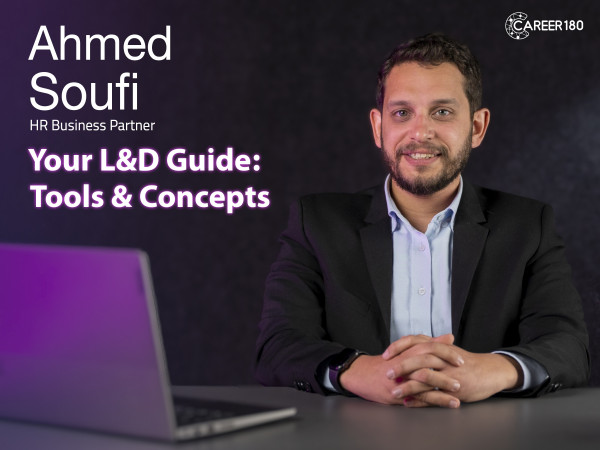
Course 4
In this course you will learn:
- The meaning of learning and development.
- How to create a learning culture in the organization.
- The difference between interpersonal and technical skills.
- The process of skill mapping.
- The types of training.
- The meaning of gamification and how to apply it in your training.
- how to evaluate the effectiveness of training and types of feedback.
- The meaning of coaching and its process.
-
Intro
1 minute 11 seconds -
What is L&D?
2 minutes 30 seconds -
Creating a Learning Culture
7 minutes 33 seconds -
10 - 20 - 70 Theory
4 minutes 41 seconds -
Interpersonal vs Technical Skills
5 minutes 21 seconds -
Skill Mapping (Job Task Analysis)
3 minutes 50 seconds -
Skill Mapping (Measuring Skills Gaps)
5 minutes 8 seconds -
Skill Mapping (Training Needs Identification)
3 minutes 13 seconds -
Training - What is Training?
6 minutes 2 seconds -
Gamification
4 minutes 7 seconds -
Training Feedback Levels
7 minutes 42 seconds -
Coaching - What is Coaching?
8 minutes 1 second
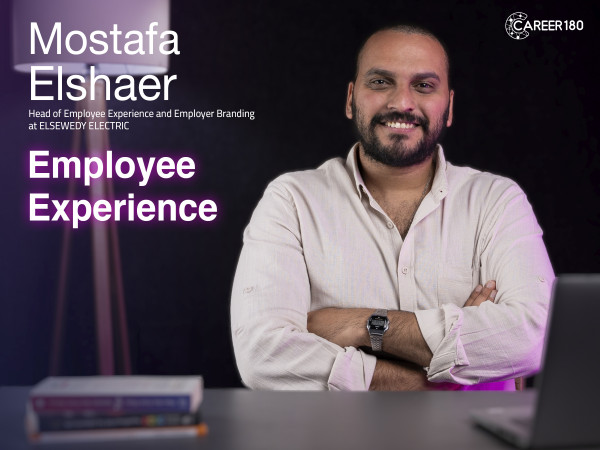
Course 5
In this course you'll learn:
-What is employee experience?
-The importance of employee experience.
>-How employee experience affect the organization.
-The four stages of experience that can be: Attraction, Onboarding, Transition and Offboarding.
-How to measure and assess the employee experience?
-
Intro
41 seconds -
What Really is EX?
2 minutes 50 seconds -
Four Stages of Experience
9 minutes 6 seconds -
The Lifecycle of EX (Attraction)
3 minutes 13 seconds -
The Lifecycle of EX (Onboarding)
4 minutes 27 seconds -
The Lifecycle of EX (Transition)
3 minutes 1 second -
The Lifecycle of EX (Offboarding)
3 minutes 45 seconds -
How to Measure and Assess the EX?
5 minutes 24 seconds
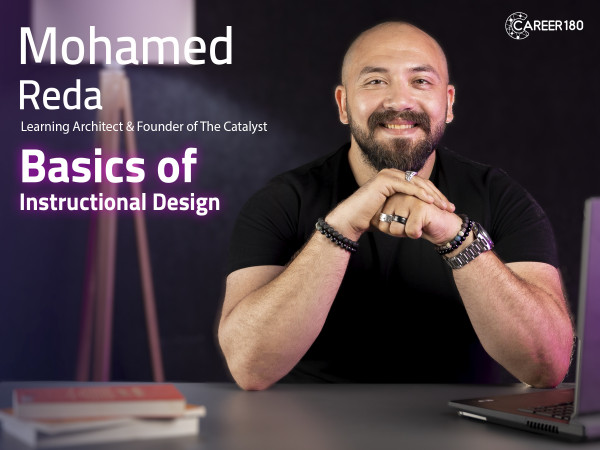
Course 6
In this course, you will learn:
-The meaning of instructional design.
- What are the 4 quadrants of the skill wheel matrix?
- What are the ADDIE 5 steps training process?
- What are the 5 steps of a contextual analysis?
- What is action mapping?
- How to set the learning objectives?
- The ABCD model for setting the learning objectives.
- What is the design phase in the ADDIE framework?
- What is the development phase in the ADDIE framework?
-
Intro
4 minutes 49 seconds -
Will vs. Skill
5 minutes 5 seconds -
ADDIE
5 minutes 47 seconds -
Contextual Analysis
13 minutes 36 seconds -
Action Mapping
9 minutes 26 seconds -
Learning Objectives
10 minutes 9 seconds -
ABCD
5 minutes 45 seconds -
Design Map
5 minutes 51 seconds -
Development
10 minutes 41 seconds

Course 7
In this course you will learn:
- The definition of gamification and the game elements.
- Frameworks of gamification and steps to apply it.
- The difference between game, toy, gamification, and game based learning.
- What is an experience?
- How to specify it to over all your game design?
- What kinds of emotions are you tracking?
- How to finalize your game document?
- The difference between mechanics, dynamics and aesthetics.
- How to create game rules.
- Types of experience evaluation.
- How to evaluate the experience?
-
Intro
1 minute 34 seconds -
What is Gamification? & What is Game Elements?
4 minutes 50 seconds -
Frameworks and Steps to Apply Gamification
3 minutes 53 seconds -
What`s What?
3 minutes 52 seconds -
What's an Experience?
3 minutes 14 seconds -
Players and Emotions
5 minutes 36 seconds -
Combining it all together
2 minutes 37 seconds -
Adding Mechanics, Dynamics and Aesthetics
3 minutes 39 seconds -
Themes, Stories and Environment
4 minutes 4 seconds -
Playtesting Types
3 minutes 48 seconds -
Summary
1 minute 40 seconds
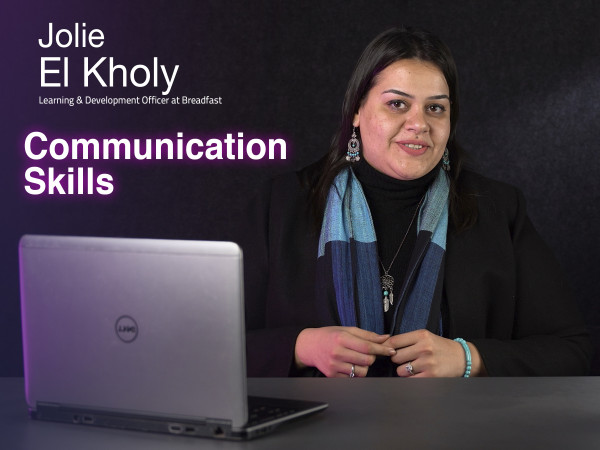
Course 8
In this course you will learn:
- What is Albert Mehrabian`s theory.
- The importance of context.
- The difference between listening and hearing.
- How to setup your mind.
- What is the ego states.
- How to handle meetings.
- The importance of negotiation skills.
- How to deal with feedbacks.
- How to write formally.
-
Intro
2 minutes 55 seconds -
Communication building block: People
3 minutes 43 seconds -
Communication building block: Message
6 minutes 18 seconds -
Communication building block: Context
5 minutes 7 seconds -
Introvert/Extrovert Misconception
5 minutes 52 seconds -
Listening Traps
7 minutes 31 seconds -
Triggering Points
7 minutes 39 seconds -
Articulating Thoughts
4 minutes 58 seconds -
Transactional Analysis
9 minutes 35 seconds -
Meetings
11 minutes 47 seconds -
Persuasion & Negotiation
6 minutes 21 seconds -
Giving & Receiving Feedback
5 minutes 32 seconds -
Written Communication
10 minutes 30 seconds

Course 9
In this course, you will learn:
- The PowerPoint interface and its features.
- The different features of the home tab.
- The different features of the insert tab.
- The different features of the draw tab.
- The different features of the design tab.
- How to make transitions between slides?
- How to make an animation in PowerPoint?
- How to record your presentation?
- The different features of the view tab.
- The different features of the review tab.
-
Intro
59 seconds -
PowerPoint Interface
7 minutes 48 seconds -
File Tab
11 minutes 7 seconds -
Home Tab Part 1
12 minutes 51 seconds -
Home Tab Part 2
11 minutes 36 seconds -
Insert Tab Part 1 (Pictures)
11 minutes 45 seconds -
Insert Tab Part 2 (Tables)
11 minutes 10 seconds -
Insert Tab Part 3 (Albums & Screenshots)
1 minute 53 seconds -
Insert Tab Part 4 (Shapes & Icons)
10 minutes 24 seconds -
Insert Tab Part 5 (Smart Art & Charts)
7 minutes 20 seconds -
Insert Tab Part 6 (Links)
11 minutes 3 seconds -
Insert Tab Part 7 (comments & Text)
8 minutes 48 seconds -
Insert Tab Part 8 (Symbols & Media)
10 minutes 39 seconds -
Draw Tab
3 minutes 24 seconds -
Design Tab
7 minutes 20 seconds -
Transitions Tab
4 minutes 37 seconds -
Animation Tab
7 minutes 21 seconds -
Slide Show Tab
9 minutes 52 seconds -
Record Tab
2 minutes 16 seconds -
Review Tab
6 minutes 27 seconds -
View Tab
4 minutes 39 seconds -
Help & Acrobat
9 minutes 3 seconds

Course 10
In this course you will learn:
- The content of each excel tab.
- How to navigate through your excel sheet.
- How to paste different items either according to their value or format or etc...
- How to access the symbols and the usage of cell types in controlling your activity on an excel sheet.
- How to protect and format your excel sheet using different formulas and functions.
-
Intro
1 minute 3 seconds -
Getting Started
4 minutes 8 seconds -
Tabs
4 minutes 49 seconds -
Navigation
3 minutes 14 seconds -
Paste
3 minutes 47 seconds -
Symbols
1 minute 50 seconds -
Cell Type
3 minutes 35 seconds -
Tables
3 minutes 54 seconds -
Freeze
1 minute 15 seconds -
Protect
2 minutes 16 seconds -
Formatting
9 minutes -
Conditional Formatting
5 minutes 43 seconds -
Formulas (Equal)
2 minutes 28 seconds -
Dollar Sign
6 minutes 34 seconds -
Formulas (IF)
4 minutes 2 seconds -
Formulas (IFs)
5 minutes 43 seconds -
Sum/Sumifs, Average/Averageifs, Count/Countifs
7 minutes 6 seconds -
Vlookup, Hlookup
11 minutes 2 seconds -
Max/Min, Large/Small
5 minutes 21 seconds -
Charts
8 minutes 10 seconds -
Conclusion
4 minutes 22 seconds

Course 11
1. Understanding Organisational Behaviour (OB): Explore the science and contribution of OB, its impact across various fields, and its incorporation into different sciences. Gain insights into the framework and levels of OB, including individual dimensions such as diversity, intellectual abilities, and discrimination in the workplace.
2. Emotions and Moods in the Workplace: Delve into the differences between emotions and moods, their sources, and their effects on decision-making. Learn about emotional intelligence, practices to enhance employee engagement, and advice for managers dealing with employee emotions and attitudes.
3. Group Dynamics: Examine the second level of OB—group dynamics—including social identity theory, norms, antisocial behaviour, and the influence of groups on decision-making. Understand the methods and applications of group decision-making in the managerial context.
4. Power and Communication: Explore the types of power, its use in the work environment, and the differences between formal and personal power. Understand the nuances of communication, including types, channels, and barriers, and its impact on organisational levels.
5. Organisational Structure and HR Practices: Learn about modern organisational structures and their types, and understand the relationship between organisational structure and employee performance. Explore strategic recruitment, selection processes, training, HR practices, and the overall outcome for organisations. Gain insights into the skills required for successful recruitment and the significance of HR practices in organisational success. Summarise the key takeaways from the course, emphasising the practical knowledge and skills acquired.
-
Intro
1 minute 5 seconds -
Organisational Behaviour Definition
43 seconds -
Science Contribute to Organisation Behaviour Part 1
1 minute 9 seconds -
Science Contribute to Organization Behaviour Part 2
1 minute 47 seconds -
Science Contribute to Organisation Behaviour Part 3
4 minutes 15 seconds -
Opportunity and Challenges Facing OB Part 1
10 minutes 3 seconds -
Opportunity and Challenges Facing OB Part 2
6 minutes 25 seconds -
OB Framework
3 minutes 24 seconds -
Intro to Individual Level
1 minute 53 seconds -
Workplace Diversity
5 minutes 13 seconds -
Types of Intellectual Ability
4 minutes 43 seconds -
Physical Ability
6 minutes 43 seconds -
Discrimination
6 minutes 43 seconds -
Diversity Management
3 minutes 25 seconds -
Emotions and Moods Effect
2 minutes 23 seconds -
Deep Understanding for Emotions
2 minutes 8 seconds -
Emotions and Decision Making
2 minutes 19 seconds -
Sources of Emotions and Moods
5 minutes 54 seconds -
Emotional Labor
4 minutes 37 seconds -
Emotional Dissonance
9 minutes 16 seconds -
Linking Emotions and Moods to OB Issues
5 minutes 14 seconds -
Moods Implications for Managers
3 minutes 2 seconds -
Intro for Emotions and Moods
35 seconds -
Outcome of Individual Levels (Attitude)
4 minutes 24 seconds -
Major Job Attitude
6 minutes 47 seconds -
What Cause Job Satisfaction
3 minutes 3 seconds -
Outcomes of Job Satisfaction
2 minutes 41 seconds -
Employee Responses to the Satisfaction
2 minutes 4 seconds -
Attitudes Implications for Managers
2 minutes 54 seconds -
Group (Definition & Types)
3 minutes 30 seconds -
Social Identity Theory & Threat
3 minutes 17 seconds -
Norms
2 minutes 27 seconds -
Antisocial Behaviour
3 minutes 43 seconds -
Group Decision Making
5 minutes 37 seconds -
Group Decision Making Methods
4 minutes 12 seconds -
Group Dynamics Implementation for Managers
2 minutes 18 seconds -
Intro of Group Process and Power Definition
3 minutes 4 seconds -
Types of Power
4 minutes 14 seconds -
Formal Power Vs Personal Power
1 minute 48 seconds -
Influence Tactics
6 minutes 15 seconds -
Power Abuse
3 minutes 49 seconds -
Responding to Power Abuse
8 minutes 11 seconds -
Managers application for power and politics
2 minutes 19 seconds -
Communication function within the organisation
3 minutes 30 seconds -
Communication Process and Types
4 minutes 55 seconds -
Small Group Formal Networks
5 minutes 44 seconds -
Communication Types According to Two Channels
4 minutes 52 seconds -
Informal Communication and Rumours
3 minutes 41 seconds -
Channel Richness and Selection
4 minutes 10 seconds -
Barriers to Effective Communication
7 minutes 43 seconds -
Communication Implications for Managers
2 minutes 56 seconds -
Group level Outcomes
2 minutes 29 seconds -
Organisational Level Input
1 minute 33 seconds -
Elements of Organisation Structure
7 minutes 3 seconds -
Classical Organisational Structure
9 minutes 4 seconds -
Modern Organisation Structure
3 minutes 37 seconds -
Impact of Organisational Structure on Behaviour
3 minutes 33 seconds -
Organisation Structure Implication for Managers
2 minutes 43 seconds -
Organisational level Processes Hr Practices
3 minutes 14 seconds -
strategic recruitment
2 minutes 7 seconds -
Selection stages
3 minutes 52 seconds -
Methods of Substantive Selection
7 minutes 45 seconds -
Main types of training
6 minutes 12 seconds -
Formal VS informal training
2 minutes 29 seconds -
Communicating HR practices
2 minutes 55 seconds -
Hr processes Implication for managers
2 minutes 20 seconds -
Organisational level outcome
2 minutes 43 seconds -
Summary
4 minutes 27 seconds

Course 12
1. Gain an overview of the course content.
2. Explore an introduction to the tech industry and pathways to enter it.
3. Learn the skills and strategies for becoming a successful tech recruiter.
4. Understand the key traits essential for individuals in technical roles.
5. Delve into the job description of a software engineer and master the steps to becoming an effective tech interviewer for recruiting purposes.
-
Intro
38 seconds -
Tech World, What is it?
8 minutes 40 seconds -
Who is a Recruiter and Who is a Tech Recruiter
4 minutes 58 seconds -
Understanding the Tech Persona
7 minutes 23 seconds -
Sourcing and Screening Candidates
14 minutes 57 seconds -
Interviewing Tips
10 minutes 52 seconds -
Becoming a Tech Recruiter Pro
10 minutes 17 seconds
Course 13
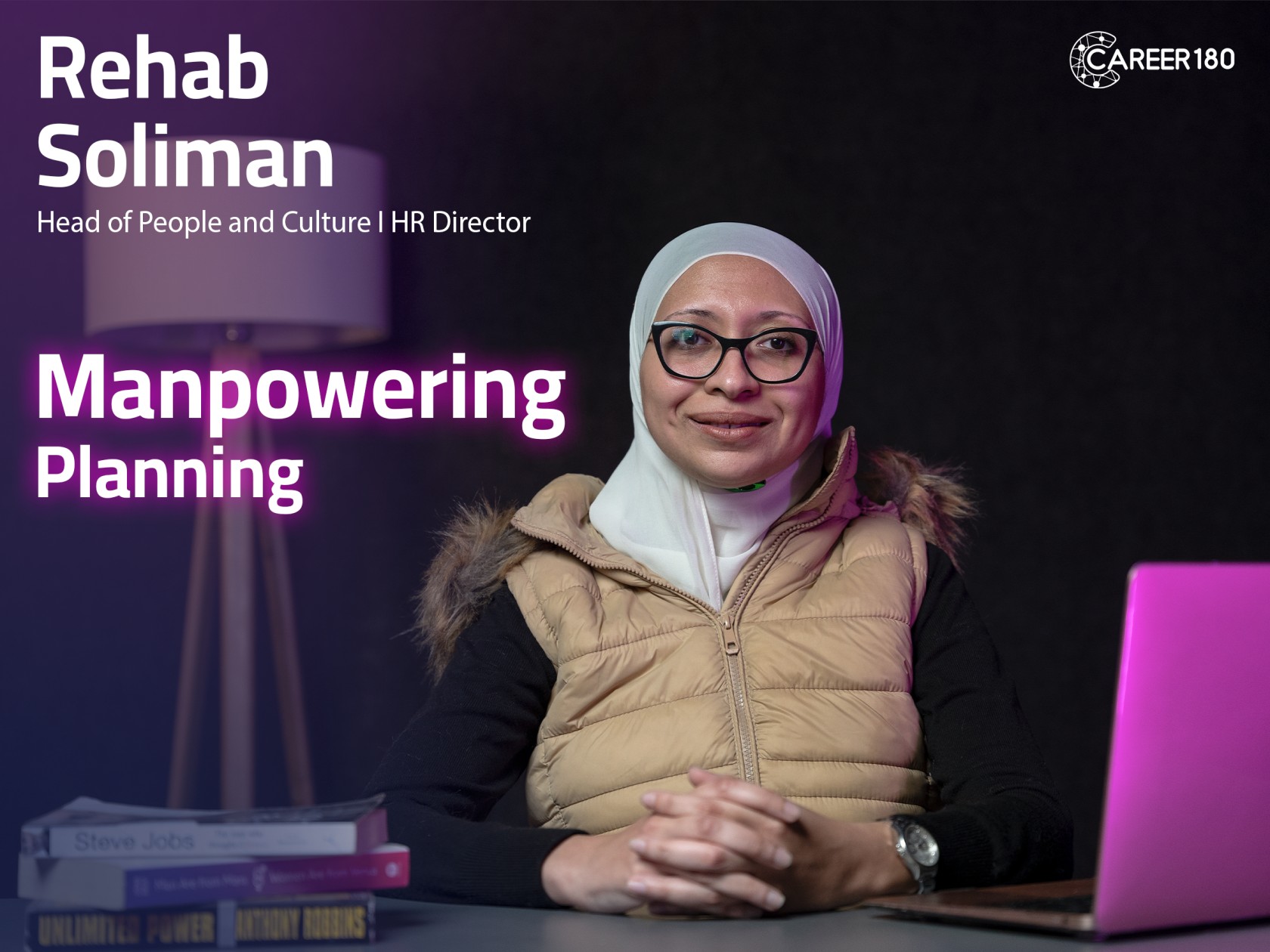
In this course, you will learn:
- Introduction to Manpower Planning
- Techniques and Tools
- Aligning with Organizational Goals
- Practical Applications and Case Studies
-
Introduction
1 minute 30 seconds -
Definition of Man-powering Planning
2 minutes 11 seconds -
Importance of Man-Powering planning
1 minute 56 seconds -
Steps of Strategy Plan
3 minutes 31 seconds -
Supply and Demand
2 minutes 55 seconds -
Manpower Planning Process
3 minutes 9 seconds -
keys Successful Manpower Planning
4 minutes 36 seconds -
Criteria of HR Strategy Plan
3 minutes 35 seconds -
Strategic VS Traditional Staffing
4 minutes 45 seconds -
Quantitative VS Qualitative of Forecasting Techniques
8 minutes -
Workload Analysis
3 minutes 36 seconds -
Conclusion
55 seconds
Subscriptions
Start watching our recorded courses in different fields with our great experts
1 Month Subscription
Benefits
- Full access to all courses
- Full access to material of courses
- Engage with course instructors
- Get certificate of completion
1 Year
Benefits
- Full access to all courses
- Full access to material of courses
- Engage with course instructors
- Get certificate of completion
3 Months
Benefits
- All one month subscription perks
- Access for three months
- Access for 3 users